

blog-01

Key Food Supply Chain Challenges and How to Overcome Them

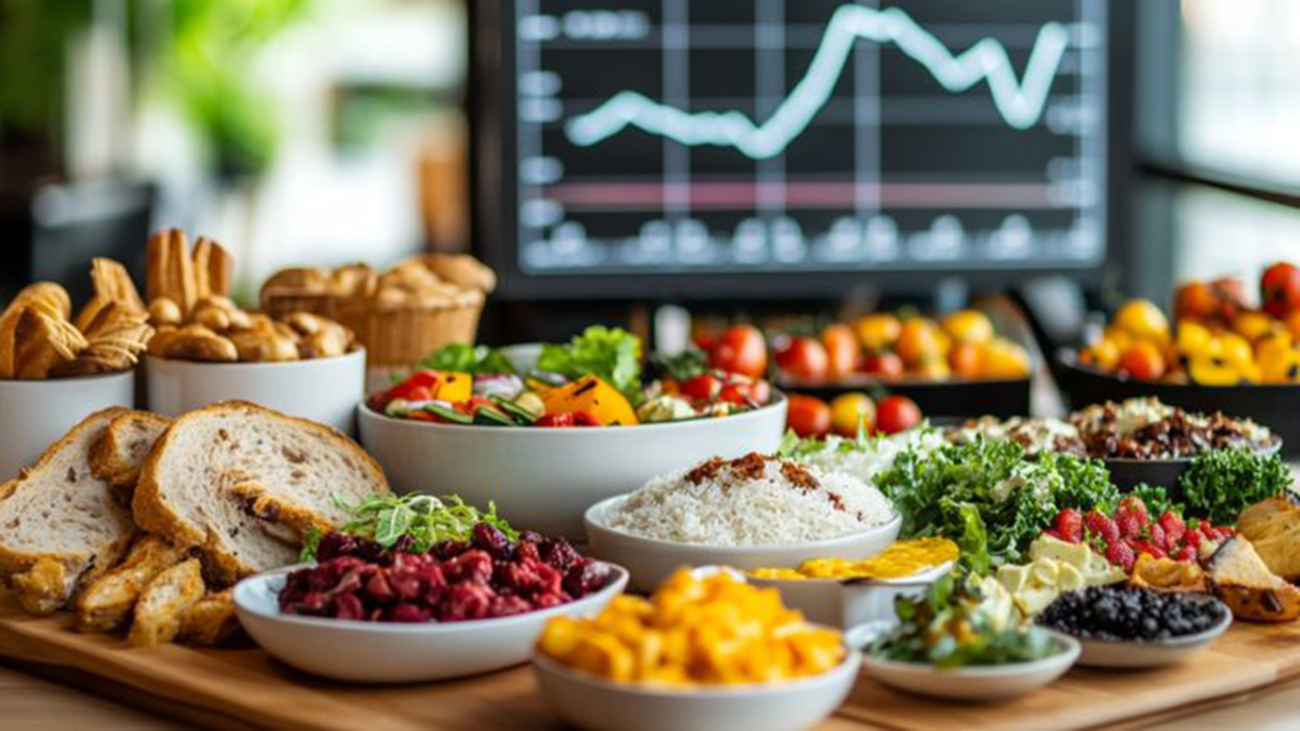
The food industry relies on a complex supply chain that connects producers, manufacturers, distributors, and consumers across the globe. While an efficient supply chain ensures product availability, quality, and customer satisfaction, disruptions can significantly impact business operations and profitability.

As consumer expectations continue to grow and markets become increasingly interconnected, food businesses must proactively address supply chain challenges to remain competitive. Understanding these challenges and implementing effective solutions can help organizations build resilience and achieve long-term success.

Understanding the Food Supply Chain

A food supply chain encompasses every stage involved in delivering food products to the end consumer. This includes sourcing raw materials, manufacturing, packaging, storage, transportation, distribution, and retail delivery.

Since multiple stakeholders are involved, even a minor disruption in one stage can affect the entire supply chain. This makes supply chain management a critical component of any food business.

Challenge 1: Supply Chain Disruptions

Global events, natural disasters, transportation delays, and geopolitical issues can interrupt the flow of goods and materials. Such disruptions may lead to shortages, delayed deliveries, and increased costs.

Solution:

Businesses should diversify their supplier base and establish partnerships across multiple regions. Having alternative sourcing options helps reduce dependency on a single supplier and ensures continuity during unforeseen circumstances.

Challenge 2: Maintaining Consistent Product Quality

Consistency is essential in the food industry. Variations in ingredient quality, manufacturing processes, or storage conditions can impact product performance and customer satisfaction.

Solution:

Implement rigorous quality assurance measures throughout the supply chain. Regular supplier evaluations, product testing, and standardized procedures help maintain consistent quality across every batch.

Challenge 3: Rising Transportation Costs

Fuel price fluctuations, logistics challenges, and increasing operational expenses can significantly impact transportation costs, affecting overall profitability.

Solution:

Optimize logistics planning through efficient route management, strategic warehousing, and reliable transportation partnerships. Leveraging technology can also help improve visibility and reduce unnecessary expenses.

Challenge 4: Inventory Management Issues

Both excess inventory and stock shortages can create operational challenges. Overstocking increases storage costs and waste, while understocking can lead to missed sales opportunities and customer dissatisfaction.

Solution:

Use data-driven forecasting and inventory management systems to accurately predict demand. Maintaining optimal inventory levels improves efficiency and reduces unnecessary costs.

Challenge 5: Food Safety and Regulatory Compliance

Food businesses must comply with strict safety standards and regulations. Failure to meet these requirements can result in recalls, penalties, and reputational damage.

Solution:

Develop comprehensive food safety programs and ensure suppliers meet required certifications and quality standards. Regular audits and compliance monitoring help minimize risks.

Challenge 6: Changing Consumer Preferences

Consumer demands evolve rapidly, with growing interest in healthier options, sustainable products, and international flavors. Businesses that fail to adapt may struggle to remain relevant.

Solution:

Stay informed about market trends and maintain flexible sourcing strategies. Working with global suppliers allows businesses to quickly respond to changing consumer expectations and emerging opportunities.

Challenge 7: Limited Supply Chain Visibility

Lack of transparency can make it difficult to identify delays, quality concerns, or operational inefficiencies within the supply chain.

Solution:

Invest in supply chain technology that provides real-time tracking and monitoring. Enhanced visibility improves decision-making, reduces risks, and strengthens overall operational performance.

Building a Resilient Food Supply Chain

The most successful food businesses are those that view supply chain management as a strategic advantage rather than a logistical necessity. Building resilience requires strong supplier relationships, robust quality systems, advanced planning, and continuous improvement.

Organizations that invest in supply chain optimization are better equipped to handle disruptions, maintain product quality, and meet customer expectations.

How Orenda Foods Supports Supply Chain Excellence

At Orenda Foods, we understand the importance of consistency, reliability, and operational efficiency. Through our global sourcing network, quality-focused manufacturing processes, and dependable logistics capabilities, we help businesses overcome supply chain challenges and achieve seamless food operations.

Our commitment to quality and precision ensures that clients receive the products they need, when they need them, without compromising standards.

Conclusion

Food supply chain challenges are inevitable, but they can be effectively managed with the right strategies and partnerships. By diversifying sourcing networks, strengthening quality control, improving visibility, and embracing innovation, businesses can build resilient supply chains that support sustainable growth.

In an increasingly competitive food industry, a strong supply chain is not just an operational requirement—it is a key driver of long-term success.

blog-02

How Global Food Sourcing Enhances Quality and Consistency

In today’s interconnected food industry, businesses are no longer limited to local suppliers for their ingredients and products. Global food sourcing has transformed the way food manufacturers, restaurants, distributors, and food service providers operate, offering access to premium ingredients, reliable supply chains, and consistent product quality.

For businesses that depend on delivering exceptional food experiences, global sourcing is not just a strategy—it is a competitive advantage. By leveraging international supplier networks, companies can ensure quality, maintain consistency, and meet evolving consumer expectations.

What Is Global Food Sourcing?

Global food sourcing refers to the practice of procuring ingredients, raw materials, and food products from trusted suppliers across different countries and regions. Rather than relying on a single source, businesses build diversified supply networks that provide access to the best products available worldwide.

This approach allows companies to select ingredients based on quality, availability, expertise, and value rather than geographical limitations.

Access to Premium Ingredients

Different regions of the world are known for producing specific food products with unique characteristics and superior quality. Global sourcing enables businesses to access these specialized ingredients directly from their origins.

Whether it’s spices, sauces, grains, snacks, or specialty ingredients, sourcing globally ensures that manufacturers and food service providers can offer products that meet the highest standards of taste, freshness, and performance.

Access to premium ingredients ultimately results in better products and enhanced customer satisfaction.

Ensuring Consistent Product Quality

Consistency is one of the most important factors in the food industry. Customers expect the same taste, texture, appearance, and quality every time they purchase a product or visit a restaurant.

Global sourcing helps maintain this consistency by providing access to multiple reliable suppliers who adhere to strict quality standards. When one source faces challenges such as seasonal shortages or production disruptions, alternative suppliers can help maintain uninterrupted supply without compromising quality.

This reliability allows businesses to protect their brand reputation and customer trust.

Strengthening Supply Chain Reliability

Food businesses operate in a fast-paced environment where delays can impact operations, customer satisfaction, and profitability. A well-established global sourcing network reduces these risks by diversifying supply channels.

By working with trusted international partners, businesses can minimize disruptions caused by local shortages, weather conditions, transportation challenges, or market fluctuations.

A resilient supply chain ensures products remain available when and where they are needed.

Supporting Menu and Product Innovation

Consumer preferences are constantly evolving. Today’s customers seek new flavors, international cuisines, and unique food experiences.

Global sourcing provides access to a wider variety of ingredients and products, enabling food manufacturers and chefs to experiment with innovative recipes and menu offerings.

This flexibility helps businesses stay competitive while responding quickly to changing market trends and customer demands.

Improving Operational Efficiency

Reliable sourcing plays a crucial role in operational planning. Businesses that have dependable access to quality ingredients can streamline inventory management, reduce waste, and improve production schedules.

For restaurants, corporate canteens, and food service providers, this translates into smoother operations and greater confidence in meeting customer expectations.

Efficient sourcing also helps businesses optimize costs while maintaining product quality.

Meeting International Quality Standards

Leading global suppliers often follow stringent food safety and quality regulations. By partnering with reputable sourcing networks, businesses gain access to products that meet internationally recognized standards.

This commitment to quality assurance supports compliance requirements while providing consumers with safe and reliable food products.

Maintaining high standards throughout the supply chain is essential for long-term success in today’s competitive food industry.

Building Long-Term Business Growth

Global sourcing is more than a procurement strategy—it is a foundation for sustainable business growth. Companies that establish strong supplier relationships benefit from improved reliability, better product availability, and greater flexibility in responding to market changes.

These advantages help businesses expand into new markets, enhance customer satisfaction, and strengthen their competitive position.

As the food industry becomes increasingly globalized, businesses that embrace strategic sourcing are better equipped to succeed.

How Orenda Foods Delivers Global Sourcing Excellence

At Orenda Foods, we connect global food supply with local excellence through a trusted network of sourcing, manufacturing, and distribution partners. Our expertise in international procurement enables us to deliver high-quality food products while maintaining consistency, reliability, and operational efficiency.

By combining global reach with rigorous quality standards, we help businesses access premium food solutions that support their growth and success.

Conclusion

Global food sourcing plays a vital role in enhancing quality, consistency, and supply chain reliability. By accessing premium ingredients, diversifying supplier networks, and maintaining strict quality standards, businesses can deliver superior food experiences while remaining competitive in an evolving marketplace.

As consumer expectations continue to rise, strategic global sourcing will remain a key driver of innovation, efficiency, and long-term success in the food industry.

blog-01

The Science Behind Great Food Experiences: Engaging All Six Senses

Food is far more than fuel for the body. Every meal we enjoy is a complex sensory experience that influences our emotions, memories, and overall satisfaction. While most people think taste is the most important aspect of food, science reveals that our experience of eating is shaped by six interconnected senses: sight, sound, smell, touch, taste, and perception.

At Orenda Foods, we believe that creating exceptional food products means understanding and engaging all six senses. This holistic approach transforms ordinary meals into memorable experiences that keep consumers coming back for more.

Why Food Is a Multi-Sensory Experience

The human brain processes food through multiple sensory channels simultaneously. Before taking the first bite, we have already formed expectations based on how the food looks and smells. As we eat, texture, sound, and flavor combine to create a complete sensory impression.

Research has shown that the more senses a food product successfully engages, the more satisfying and memorable the experience becomes. This is why premium food manufacturers focus on every aspect of product development—not just taste.

Sight: The First Impression

People eat with their eyes first. The appearance of food creates expectations about quality, freshness, and flavor before tasting even begins.

Bright colors, appealing presentation, and visual consistency help consumers feel confident in their food choices. Whether it’s the golden crispness of a snack or the vibrant color of a sauce, visual appeal plays a crucial role in shaping perception.

For food manufacturers, maintaining consistency in appearance is essential to building trust and brand loyalty.

Sound: The Hidden Ingredient

The sounds associated with food often go unnoticed, yet they significantly impact our enjoyment. The crunch of a chip, the snap of a cracker, or the crisp bite of fresh ingredients signals freshness and quality.

Consumers subconsciously associate these sounds with satisfaction. A product that delivers the right auditory experience can enhance overall enjoyment and reinforce positive perceptions.

This is why texture and sound are carefully considered during product development and manufacturing.

Smell: The Gateway to Memory

Our sense of smell is directly linked to memory and emotion. A familiar aroma can instantly transport us to childhood, family gatherings, or favorite restaurants.

Food aromas stimulate appetite and influence how flavors are perceived. In fact, much of what we identify as taste is actually driven by smell.

Maintaining authentic and appealing aromatic profiles is a critical part of creating exceptional food products that resonate with consumers.

Touch: The Importance of Texture

Texture determines how food feels in the mouth and plays a major role in satisfaction. Consumers often associate certain textures with quality, freshness, and indulgence.

A perfectly crisp snack, a smooth sauce, or a tender ingredient creates a pleasurable eating experience that complements flavor.

Food manufacturers invest significant effort in achieving consistent textures because even small variations can affect consumer perception.

Taste: The Foundation of Flavor

Taste remains at the heart of every food experience. The human tongue recognizes five fundamental tastes:

  • Sweet
  • Sour
  • Salty
  • Bitter
  • Umami

The art of food development lies in balancing these flavors to create products that are enjoyable, memorable, and appealing to diverse consumer preferences.

When combined with aroma, texture, and visual appeal, taste becomes part of a much richer sensory experience.

Perception: The Sixth Sense

Perception is the culmination of all sensory inputs. It is the emotional and psychological response consumers develop based on what they see, hear, smell, touch, and taste.

This sixth sense influences purchasing decisions, brand loyalty, and long-term consumption habits. Consumers often choose products not only because they taste good but because they create positive feelings and memorable experiences.

A successful food brand understands that perception is built through consistency, quality, and trust across every interaction.

The Role of Food Manufacturers in Sensory Excellence

Modern food manufacturing goes beyond producing products at scale. Today’s leading food companies focus on delivering complete sensory experiences that meet evolving consumer expectations.

From ingredient sourcing and quality control to production and packaging, every stage contributes to the final perception of a product.

At Orenda Foods, our commitment to sensory excellence guides everything we do. By understanding how food engages all six senses, we create products that offer consistency, quality, and memorable experiences for consumers worldwide.

Conclusion

Great food is not defined by taste alone. It is a carefully crafted experience that engages sight, sound, smell, touch, taste, and perception. When all six senses work together, food becomes more than nourishment—it becomes a source of connection, enjoyment, and lasting memories.

As consumer expectations continue to evolve, businesses that prioritize sensory experiences will be better positioned to build stronger brands, foster customer loyalty, and create products that truly stand out in the marketplace.


demo-attachment-1075-Mask-Group-45@2x

Taylor Life in Other Word

When, while the lovely valley teems with vapor around me, and the meridian sun strikes the upper surface of the impenetrable foliage of my trees, and but a few stray gleams steal into the inner sanctuary, I throw myself down among the tall grass by the trickling stream; and, as I lie close to the earth, a thousand unknown plants are noticed by me: when I hear the buzz of the little world among the stalks, and grow familiar with the countless indescribable forms of the insects and flies, then I feel the presence of the Almighty, who formed us in his own image, and the breath of that universal love which bears and sustains us, as it floats around us in an eternity of bliss; and then, my friend, when darkness overspreads my eyes, and heaven and earth seem to dwell in my soul and absorb its power, like the form of a beloved mistress, then I often think with longing, Oh, would I could describe these conceptions, could impress upon paper all that is living so full and warm within me, that it might be the mirror of my soul, as my soul is the mirror of the infinite God!

O my friend — but it is too much for my strength — I sink under the weight of the splendor of these visions! A wonderful serenity has taken possession of my entire soul, like these sweet mornings of spring which I enjoy with my whole heart. I am alone, and feel the charm of existence in this spot, which was created for the bliss of souls like mine.

I am so happy, my dear friend, so absorbed in the exquisite sense of mere tranquil existence, that I neglect my talents. I should be incapable of drawing a single stroke at the present moment; and yet I feel that I never was a greater artist than now.

When, while the lovely valley teems with vapor around me, and the meridian sun strikes the upper surface of the impenetrable foliage of my trees, and but a few stray gleams steal into the inner sanctuary, I throw myself down among the tall grass by the trickling stream; and, as I lie close to the earth, a thousand unknown plants are noticed by me: when I hear the buzz of the little world among the stalks, and grow familiar with the countless indescribable forms of the insects and flies, then I feel the presence of the Almighty, who formed us in his own image, and the breath of that universal love which bears and sustains us, as it floats around us in an eternity of bliss; and then, my friend, when darkness overspreads my eyes, and heaven and earth seem to dwell in my soul and absorb its power, like the form of a beloved mistress, then I often think with longing, Oh, would I could describe these conceptions, could impress upon paper all that is living so full and warm within me.